Understanding Tea Tree Oil's Power for Your Skin
Tea tree oil, extracted from the Melaleuca alternifolia plant, is more than just a trendy skincare ingredient; it's a powerhouse of natural benefits. Its potent antimicrobial properties effectively target acne-causing bacteria, reducing breakouts and preventing future blemishes. Simultaneously, its anti-inflammatory actions calm irritated skin, minimizing redness and swelling. This dual action—fighting bacteria and reducing inflammation—makes tea tree oil an excellent choice for various skin concerns. However, even natural remedies require careful application. Remember to always perform a patch test before applying any new product to your entire face.
Why Choose a Tea Tree Face Mask? Targeted Treatment for Clearer Skin
Why a face mask over simply applying tea tree oil directly? A face mask offers concentrated treatment, delivering a higher dose of the oil's beneficial components directly to your skin's surface. The mask's base, often made from ingredients like clay or aloe vera, can enhance the tea tree oil's effects while helping it penetrate deeper into the pores. Do you need targeted spot treatment for specific blemishes or a more holistic approach for overall skin clarity? A tea tree face mask provides both options, offering prolonged contact for maximized benefit. This consistent exposure allows the tea tree oil to work more efficiently.
Crafting Your Own Tea Tree Face Mask: A Simple DIY Approach
Creating your own tea tree face mask offers complete customization to match your unique skin needs and preferences. Adjust the recipe proportions to find what works best for you.
Ingredients:
- 1 tablespoon bentonite clay (a type of absorbent clay known for its ability to draw out impurities)
- 5-10 drops of tea tree essential oil (begin with a smaller amount and gradually increase as needed)
- 1-2 tablespoons of water or aloe vera gel (for desired consistency)
Instructions:
- In a clean bowl, gently combine the bentonite clay and tea tree essential oil.
- Gradually add water or aloe vera gel, stirring continuously until a smooth, spreadable paste forms.
- Apply a thin, even layer to your cleansed, dry face, avoiding the delicate eye area.
- Leave the mask on for 10-15 minutes, or until it begins to feel slightly tight.
- Rinse thoroughly with lukewarm water, gently patting your face dry.
- Apply a light moisturizer to hydrate your skin.
Important Note: Always perform a patch test on a small area of skin (like your inner arm) 24 hours before applying a new facial mask. This helps identify any potential allergic reactions.
Exploring Pre-Made Options: Convenience Meets Efficacy
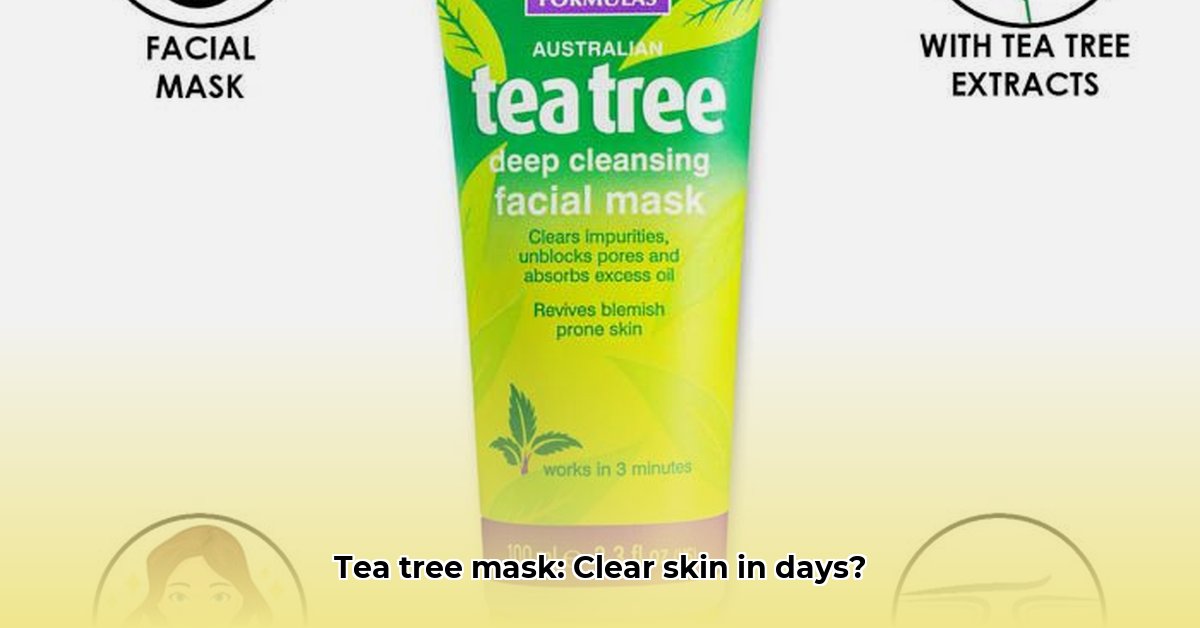
Prefer a simpler approach? Many skincare brands offer convenient, pre-made tea tree face masks. These options often include additional ingredients that complement tea tree oil's benefits, such as soothing aloe vera, hydrating hyaluronic acid, or calming chamomile. Reading reviews and comparing ingredient lists can help you choose a mask tailored to your skin type and concerns. Check for any potential allergens and ensure the mask aligns with your skincare goals.
Potential Side Effects and Precautions: Responsible Tea Tree Oil Usage
While largely safe, tea tree oil can cause skin irritation or allergic reactions in some individuals. It's crucial to start with a low concentration, particularly if you have sensitive skin. Always conduct a patch test 24 hours before full facial application. If you experience any redness, burning, or itching, discontinue use and rinse thoroughly with water. If irritation persists, consult a dermatologist. Don't forget to store your tea tree products properly to maintain their quality and efficacy.
Maximizing Results: A Holistic Approach to Clearer Skin
Remember, achieving and maintaining clear skin involves more than just a face mask. Incorporating a consistent skincare routine—including regular cleansing, gentle exfoliation, and sun protection—is vital. This holistic approach supports healthy skin and enhances the benefits of your tea tree face mask. Maintaining a balanced diet and managing stress levels can also contribute to a brighter complexion.
Dr. Evelyn Reed, Dermatologist at the University of California, San Francisco: "While tea tree oil is a popular natural remedy, it's imperative to use it responsibly. Patch testing is crucial, especially for those with sensitive skin. Listen to your skin, and if you experience any irritation, discontinue use."